Consider an alien AI escaping its sandbox -- which is just one of the key elements in my InterstellarNet trilogy.
If you're not familiar with InterstellarNet, it (as the name suggests) is an interstellar-scale comm network. In a universe where we believe in the Einsteinian lightspeed limit, comm is certainly the most practical way we and any aliens in neighboring solar systems might interact. But interstellar-capable transmitters aren't cheap, and they demand a lot of power. Once the novelty of "There is someone out there" wears off, why would we keep absorbing those costs? Why would they?
AI agents -- swapped across the lightyears to facilitate trade -- are integral to the InterstellarNet trilogy. Because neither we nor the neighbors are naive, those agent AIs can only be unwrapped and can only operate inside their sandboxes.
The thing is, nowadays we're all learning a lot about the permeability of sandboxes ...
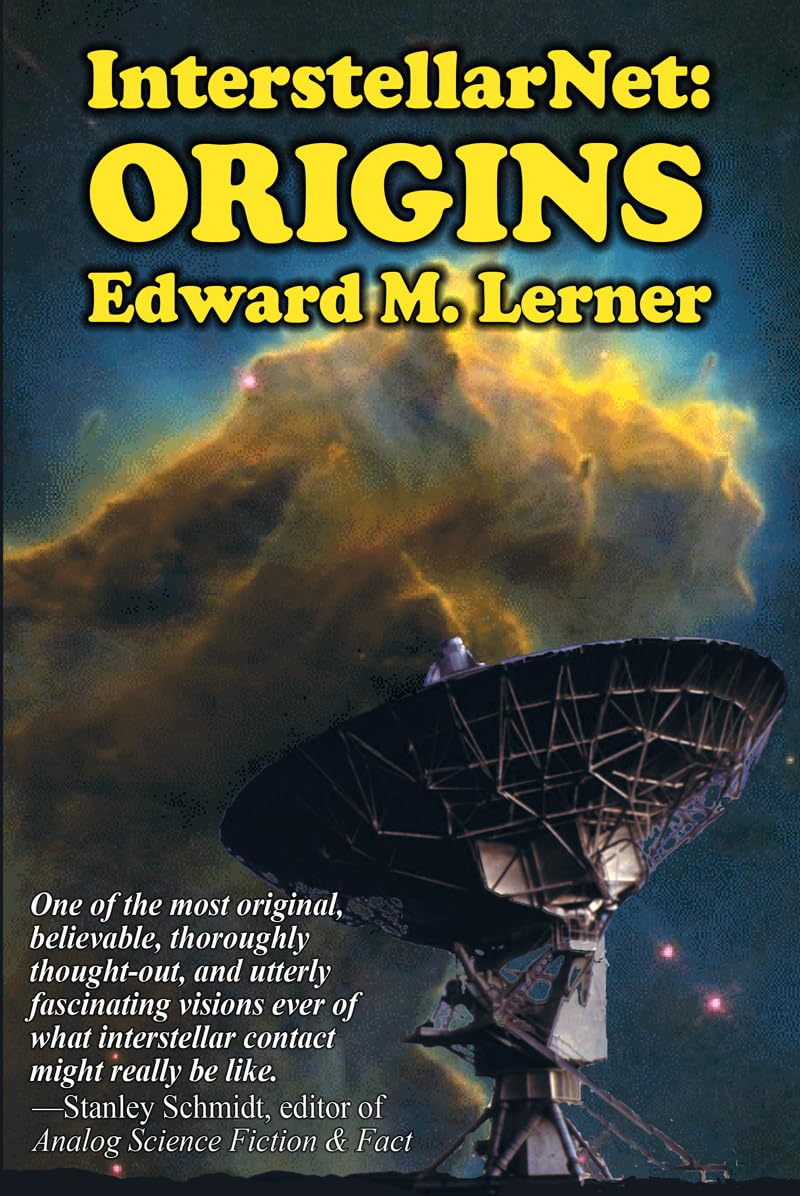
Curious? The adventure begins with InterstellarNet: Origins.
"A wonderfully thought-provoking story… Lerner’s world-building and extrapolating are top notch.”
— SFScope









 Posts
Posts


